The Sejm, 1991: the first solo exhibition
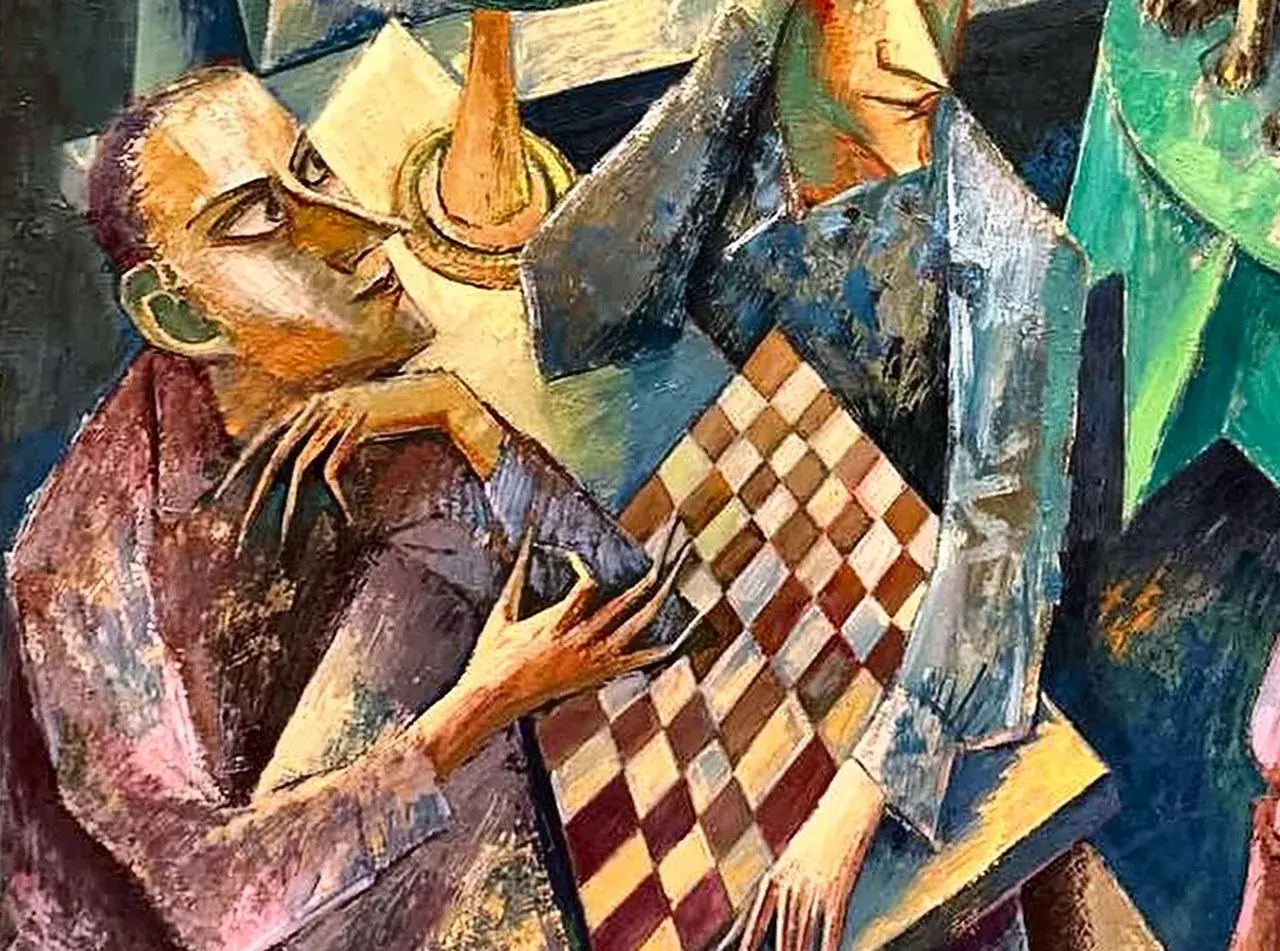
Table of contents
I came to Poland in 1990. The first solo exhibition took place a year later, in the building of the Sejm.
It sounds weightier than it looked. Here is how it actually was.
The context
The year 1991 in Poland was a moment when nothing had been settled yet. The first free presidential elections had been held a few months earlier. The economy was undergoing shock therapy. Institutions operated by rules that were only then taking shape.
In such periods things happen that are impossible both before and after. The exhibition of a painter who had arrived a year earlier and had no body of work in the country, in the parliament building — one of them.
Today such an exhibition would require procedures, committees and months of approvals. Then it was enough for someone to see the work and decide it was worth it.
How it happened
Without a plan and without connections.
I brought part of my work from Ukraine — as much as fitted in the car. I showed it wherever I could: in private flats, in editorial offices, to people who in turn showed it on.
Someone in that chain had a connection to the Sejm. The work was looked at, and the decision came quickly.
There was no curator, no catalogue, no private view in today's sense. There were canvases on the walls of a building through which hundreds of people passed every day.
What I showed
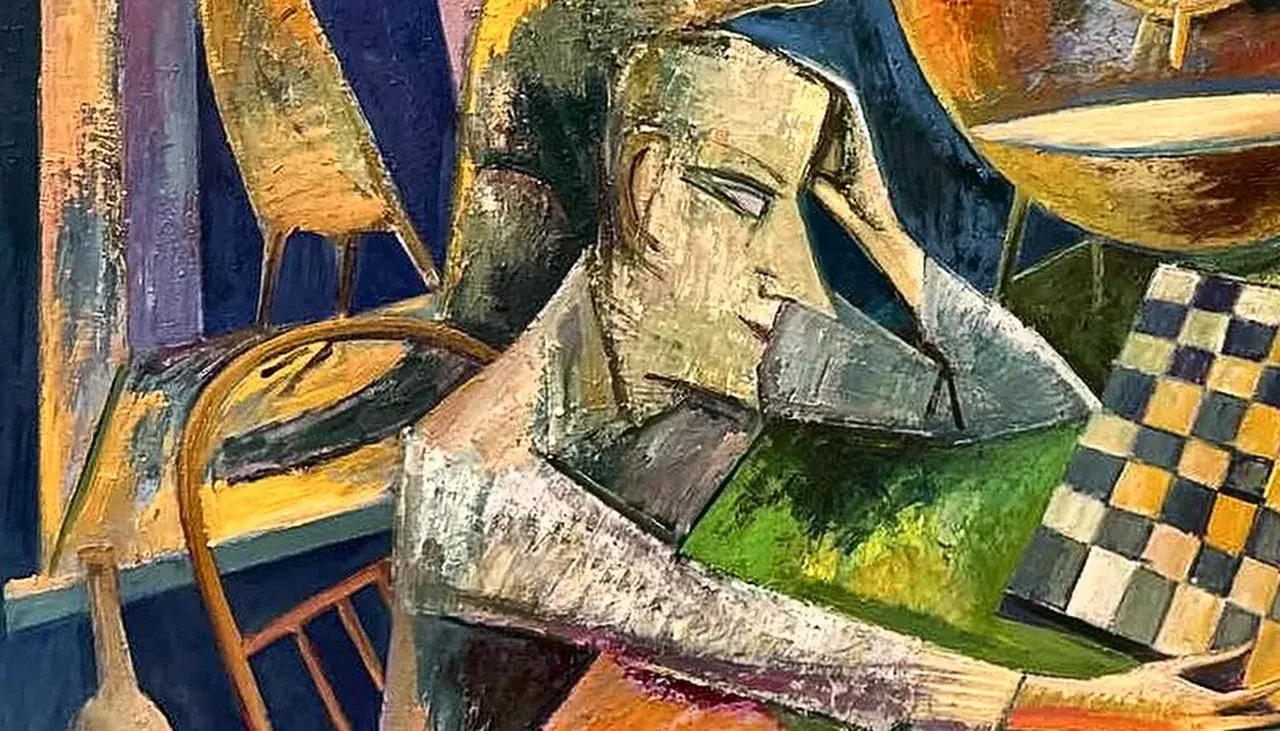
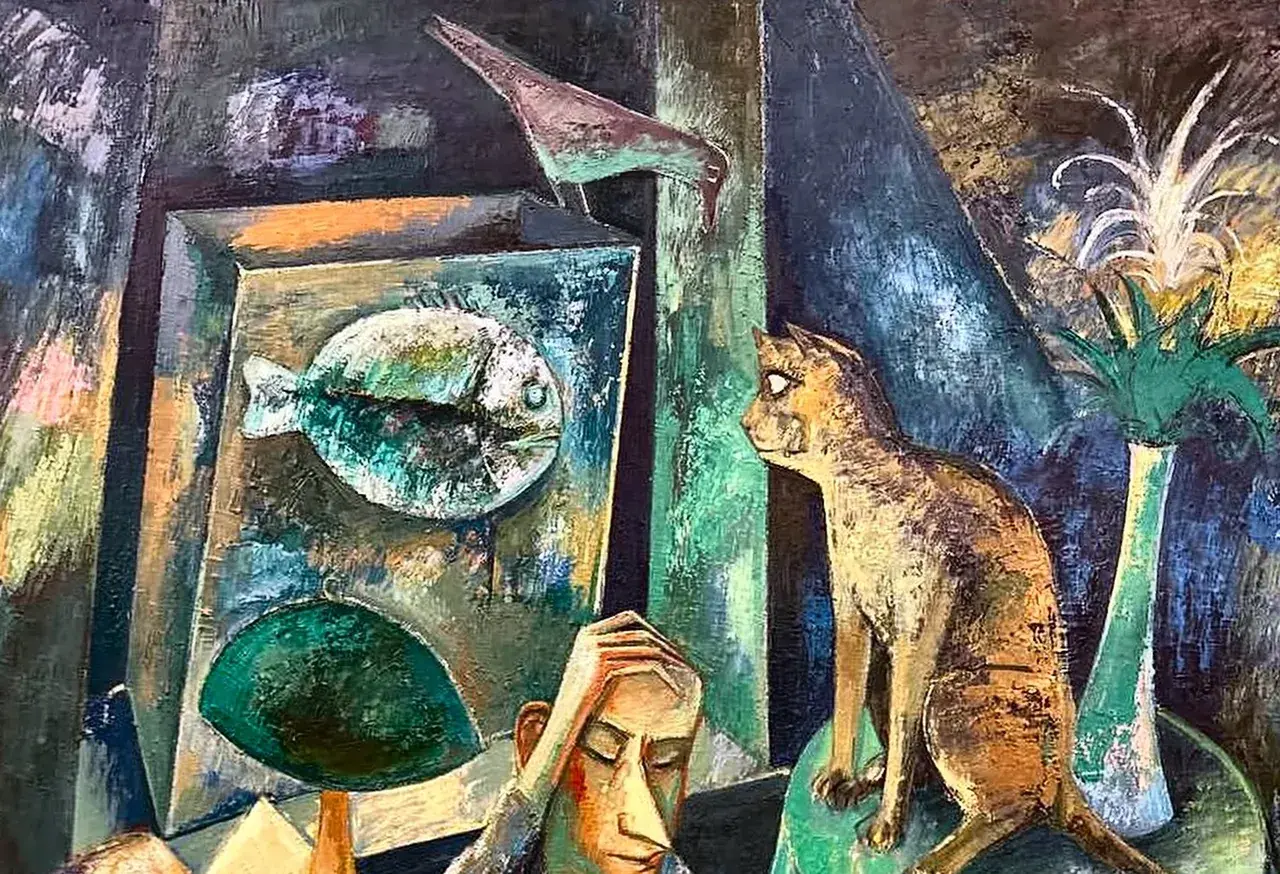
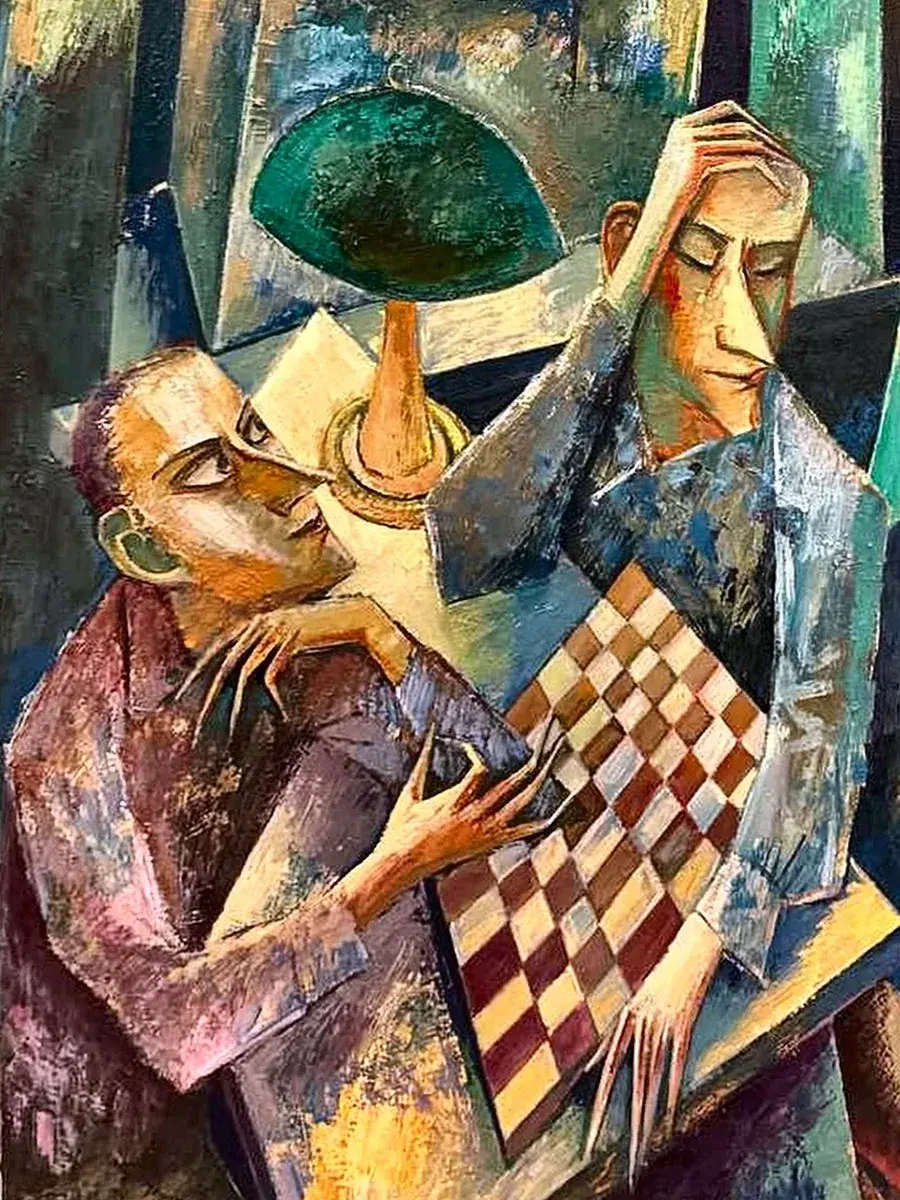
Work brought from Ukraine and painted during the first year in Poland.
There were no cycles in the present sense yet — they formed later. There were individual canvases in which things began that I return to still: figures at a table, asymmetry, someone seated and someone standing beside them.
Stańczyk had not yet appeared. He came over the following few years, once I began to understand where I was.
What it changed
Not sales and not commissions — there were none.
It changed something simpler: I stopped being the man who had just arrived. After the Sejm exhibition people began inviting me into conversations, showing my work to others, drawing me into the scene. Warsaw, Łódź, Sopot and Vienna came afterwards — but the first door opened then.
For a painter from outside, with no language and no contacts, that is the difference between working in a vacuum and working in a country.
Why it still matters
Thirty-five years on, that exhibition still appears in every biography, and not for the prestige of the address.
It matters because it marks a point: from then on I was a painter in Poland rather than a painter who had come to Poland. Everything that followed — five cycles, four thousand canvases, book editions, private collections — counts from that date.
And one more thing. The Sejm is a place where decisions are taken on behalf of others. The cycle Critique of Power, which I still work on, did not begin there or then — but that the first canvases hung in that particular building looks today like more than coincidence.
Frequently asked questions
Do works from that exhibition survive?
Some do, in private collections. Some dispersed in the nineties without documentation — nobody kept a catalogue then, and that is one reason every work now carries a number and a certificate.
Was it the first exhibition of all?
The first solo one. Earlier, in Ukraine, I took part in group exhibitions after graduating in Kharkiv.
Where were the later exhibitions?
Warsaw, Łódź, Sopot, Vienna. Four cities with solo shows over thirty-five years.
Can early work be seen?
Work from the nineties appears occasionally on the secondary market. What is in the studio is more recent — the catalogue of available works is on the site.
Work from the studio can be seen in Warsaw by arrangement. The catalogue with prices is on the site.