Vino della Pace: a label for an Italian winery
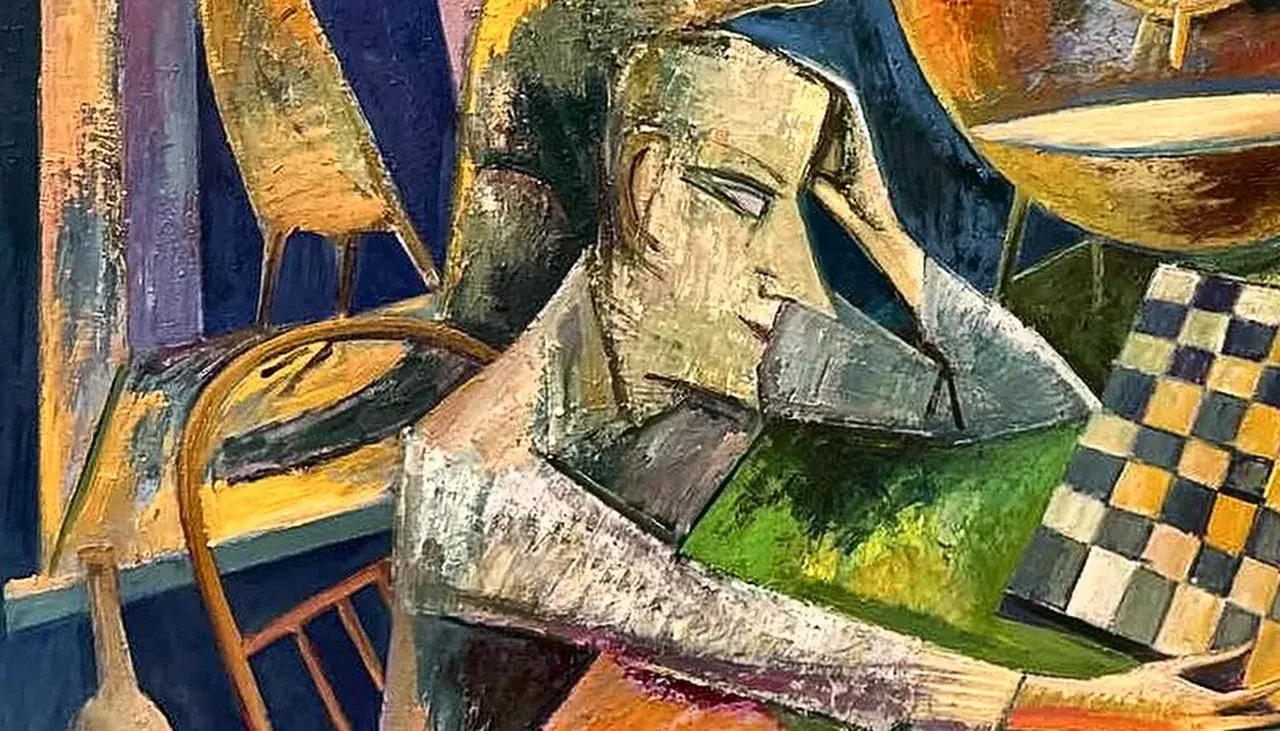
Table of contents
In 2001 a winery from a small town in north-eastern Italy approached me with a request to paint a label. Let me explain what kind of project it is and why I agreed.
What Vino della Pace is
Cormons is a small town in Friuli Venezia Giulia, a few kilometres from the Slovenian border. A place where the border has shifted so often over the centuries that locals joke they have lived in four states without leaving the house.
In 1983 the growers there planted a vineyard with vines from all over the world — more than six hundred varieties from dozens of countries. The idea was naively simple: if vines from hostile countries can grow in one soil, so can people.
Since 1985 a wine has been made from those grapes called Vino della Pace — wine of peace. It is not sold in the ordinary sense: bottles go to heads of state, religious leaders and international organisations.
Each vintage gets its own label, and each time it is painted by a different artist.
Who painted before and after
Over forty years artists from various countries and directions have taken part. Among the names most often cited are Yoko Ono, Robert Rauschenberg, Ai Weiwei.
The logic of selection is not fame. The organisers look for artists whose work already contains what the project is about: complexity, ambiguity, an engagement with borders and divisions.
They found me through the Polish exhibitions. In the cycles I work on, the theme of a person facing force and circumstance recurs — and that coincided with what they were looking for.
What I made
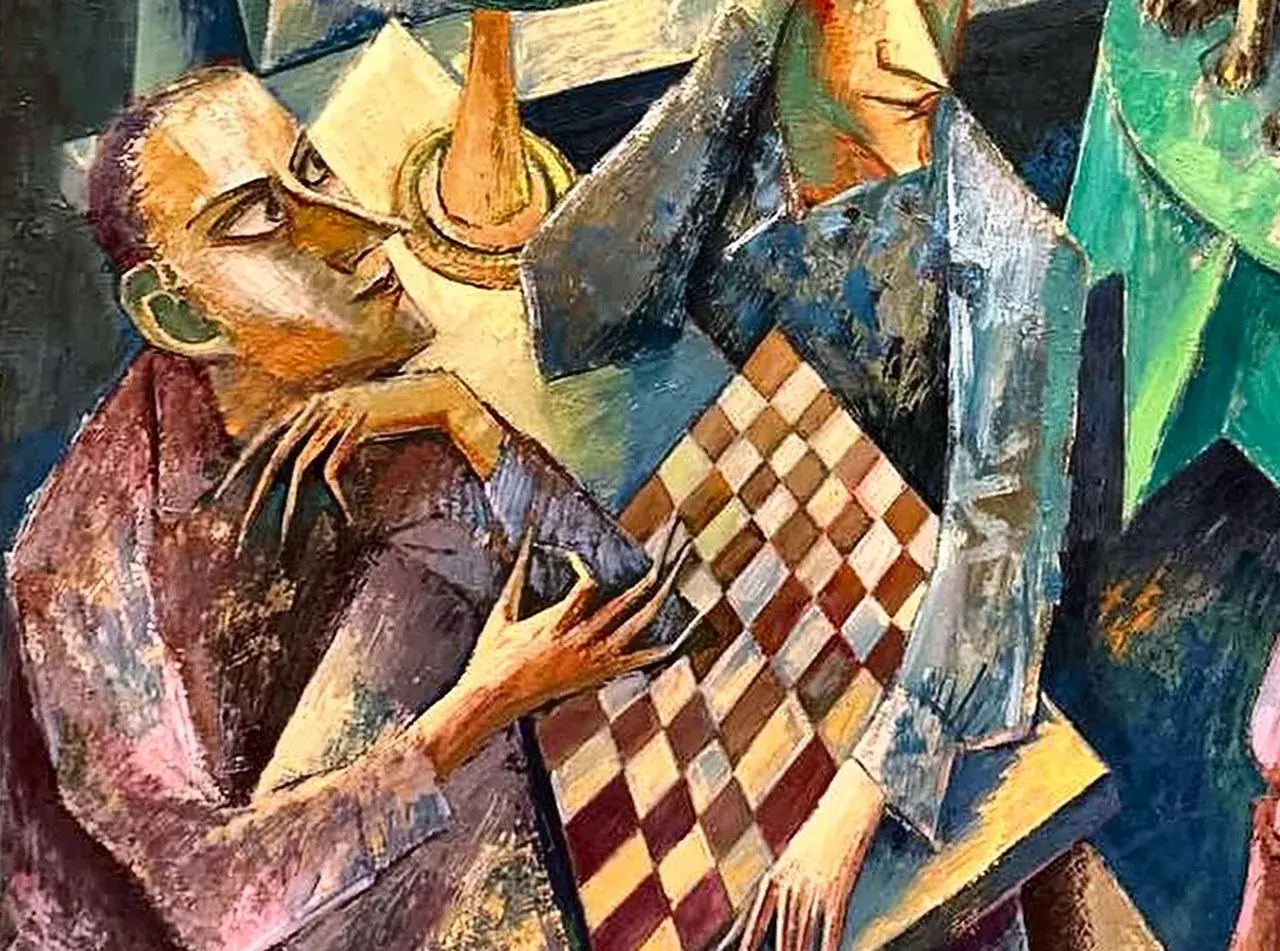
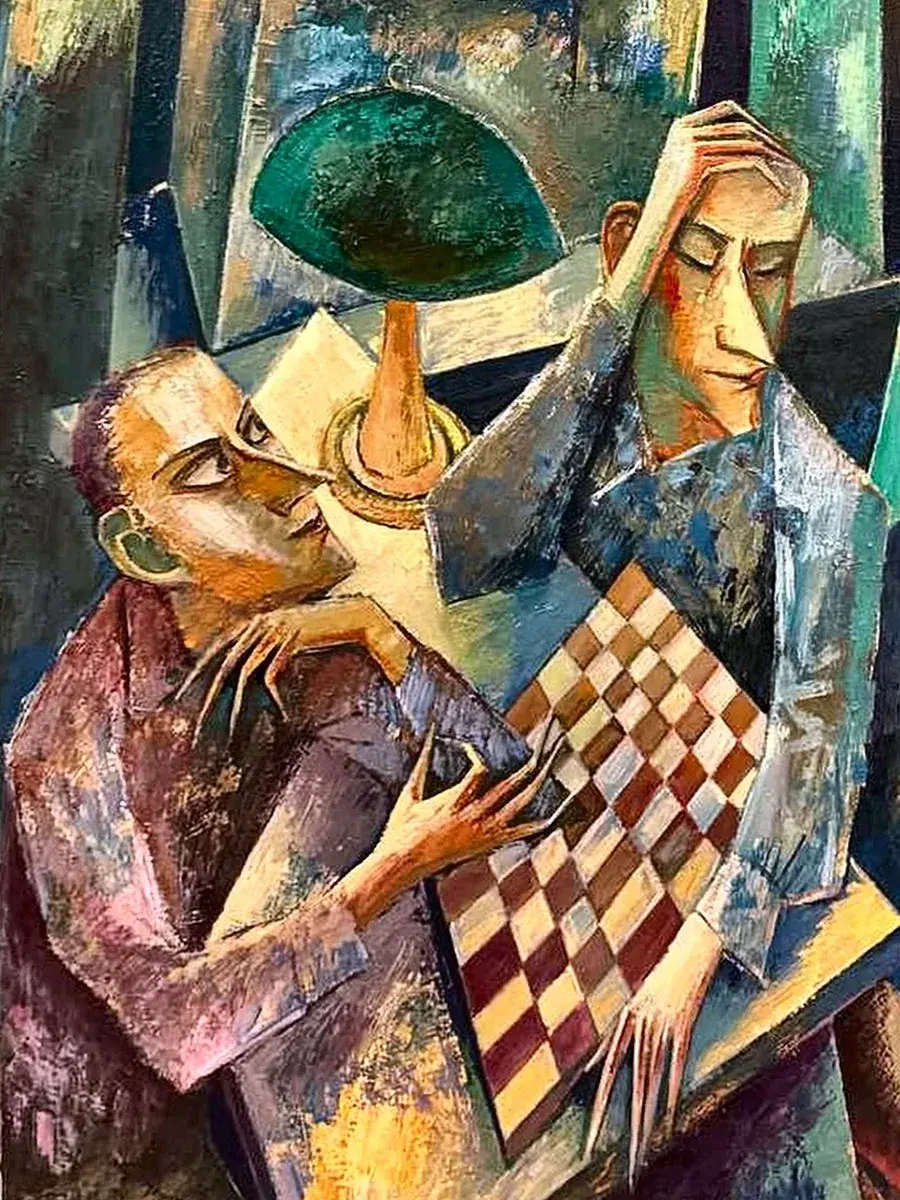
The label format is demanding: a small rectangle that must read from two metres away and at the same time survive close inspection.
That is the opposite of how I usually work. A canvas of a hundred and forty centimetres allows a complex composition with several planes. A label demands a single sign that works at once.
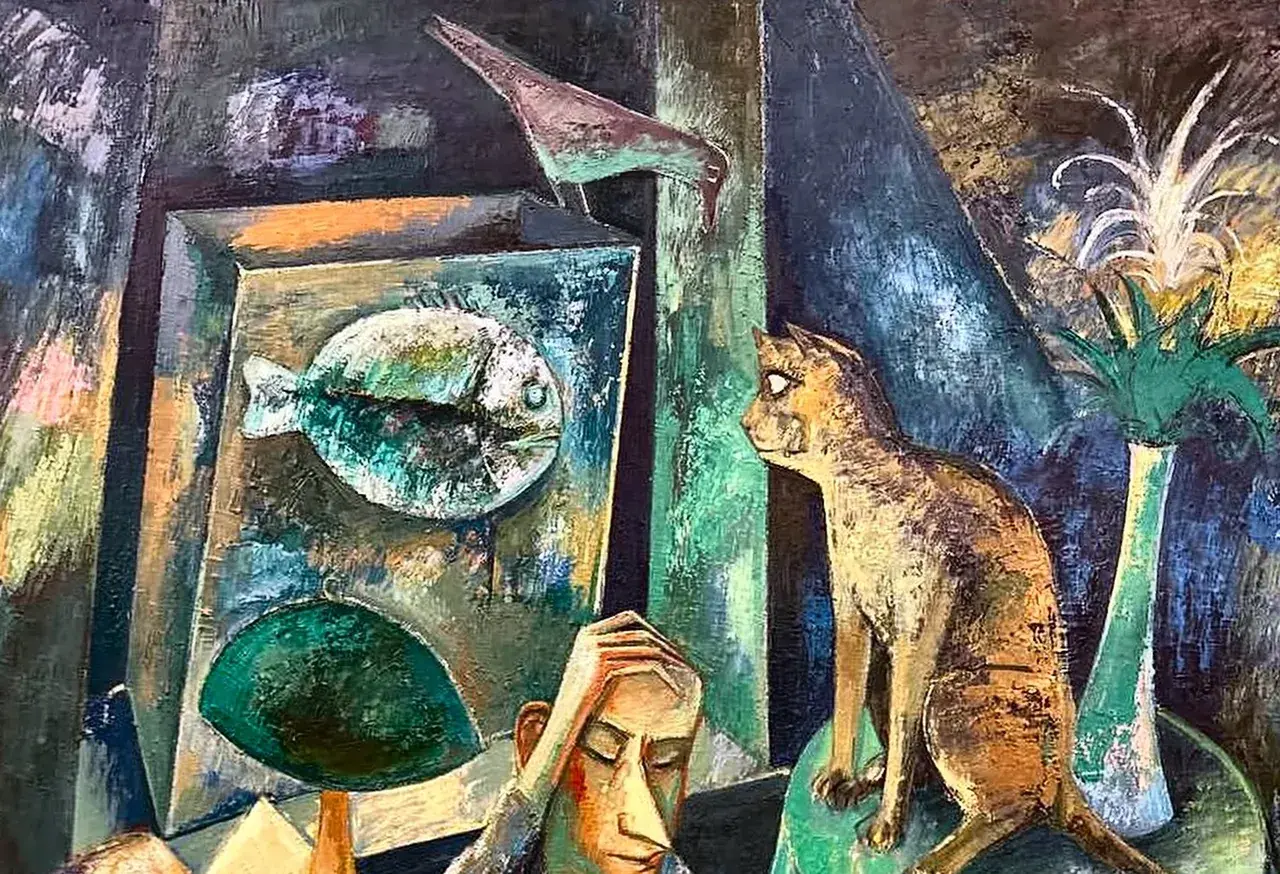
I made an image in the same manner as my easel painting: figurative, with human figures, in a warm palette. Without peace symbolism — no doves, no handshakes, no flags. It seemed to me that a project with this history did not need an illustration of its own idea.
Why it matters
Not for the fame — the print run of Vino della Pace is small, and the project has no wide audience.
Something else matters. It was the first case in which my work left its own context and landed in a foreign one — and functioned there.
Five years later the same thing happened with the portrait of Pontius Pilate that reached the medical journal The Lancet. Different fields, different audiences, one thing in common: people who knew nothing of me, of the cycles or of Bulgakov saw in the work something they needed.
For a painter who works in long series inside his own system, that is an important test. It shows whether the work exists on its own — or only surrounded by explanations.
About Friuli
The place deserves a word of its own.
Friuli Venezia Giulia is a region where Romance, Slavic and Germanic cultures meet. Italian, Slovene, German and Friulian are spoken there. The border, barely visible today, was one of Europe's hottest lines in the twentieth century.
For a painter born in Ukraine and living in Poland for thirty years, that is recognisable. The idea of planting in one soil vines from countries that fought each other needs no explanation.
Perhaps that is why I agreed.
Frequently asked questions
Can a bottle with this label be bought?
Vino della Pace is not sold through ordinary trade. Bottles go to heads of state and international organisations, and some reach collectors through auctions. The winery in Cormons is the best source of information.
Does an original of the label artwork exist?
Yes, it is a separate work made to the format. It belongs to none of the cycles and remains in the studio.
Have there been other commissions?
Relatively few. The main work is easel painting within the cycles. I accept commissions when the task is interesting in itself, not for the fee.
Did it affect the work on the cycles?
Indirectly. Working in a tight format forces you to look for the minimal sign that acts immediately — and that skill later returns to the large form.
The catalogue of available works with prices is on the site. The works can be seen at the Warsaw studio by arrangement.